Why Vehicle Identity Protection Matters More Than Ever for UK Drivers
Every day, thousands of drivers get behind the wheel without giving their registration plates a second thought. The plates are just there, fixed to the car, doing their job. But for a growing number of people, those plates become a source of serious trouble. Number plate cloning - where criminals copy your registration onto an identical vehicle - is on the rise, and the consequences can be devastating. Fines, penalty points, even criminal charges can land on your doorstep for offences you never committed. That is where vehicle identity protection Protect-A-Plate comes into the picture, offering a practical layer of security that many drivers overlook until it is too late.
Think about what your number plate represents. It is the single visible link between your vehicle and its official records. When that link is copied and placed on a different car, the identity of your vehicle is effectively stolen. The cloned car can run red lights, speed through cameras, or even be used in more serious crimes, and the evidence all points back to you. Untangling that mess requires time, money, and a lot of patience with the authorities. Prevention is far simpler than cure, which is why more drivers are looking into vehicle identity protection measures before they become victims.
How Number Plate Cloning Actually Works
Cloning is not a sophisticated heist involving underground workshops and high-tech forgery. Most of the time it is surprisingly low-tech. A criminal spots a vehicle that matches the make, model, and colour of one they already have or can obtain cheaply. They note the registration number, have a set of plates made - which is still worryingly easy in some places - and fit them to their own car. From that moment, any camera or police check sees the cloned plates, not the criminal's real identity. The original owner receives the penalties, the congestion charge notices, and eventually the letters from debt collectors.
The hardest part for the legitimate owner is proving their innocence. You have to show that your car was elsewhere at the time of the alleged offence, which often requires alibis, receipts, or even witness statements. If the cloned car is involved in a hit-and-run or a crime that leads to a police investigation, the pressure ramps up considerably. Vehicle identity protection is not just about avoiding a few fines. It is about protecting your legal and financial standing.
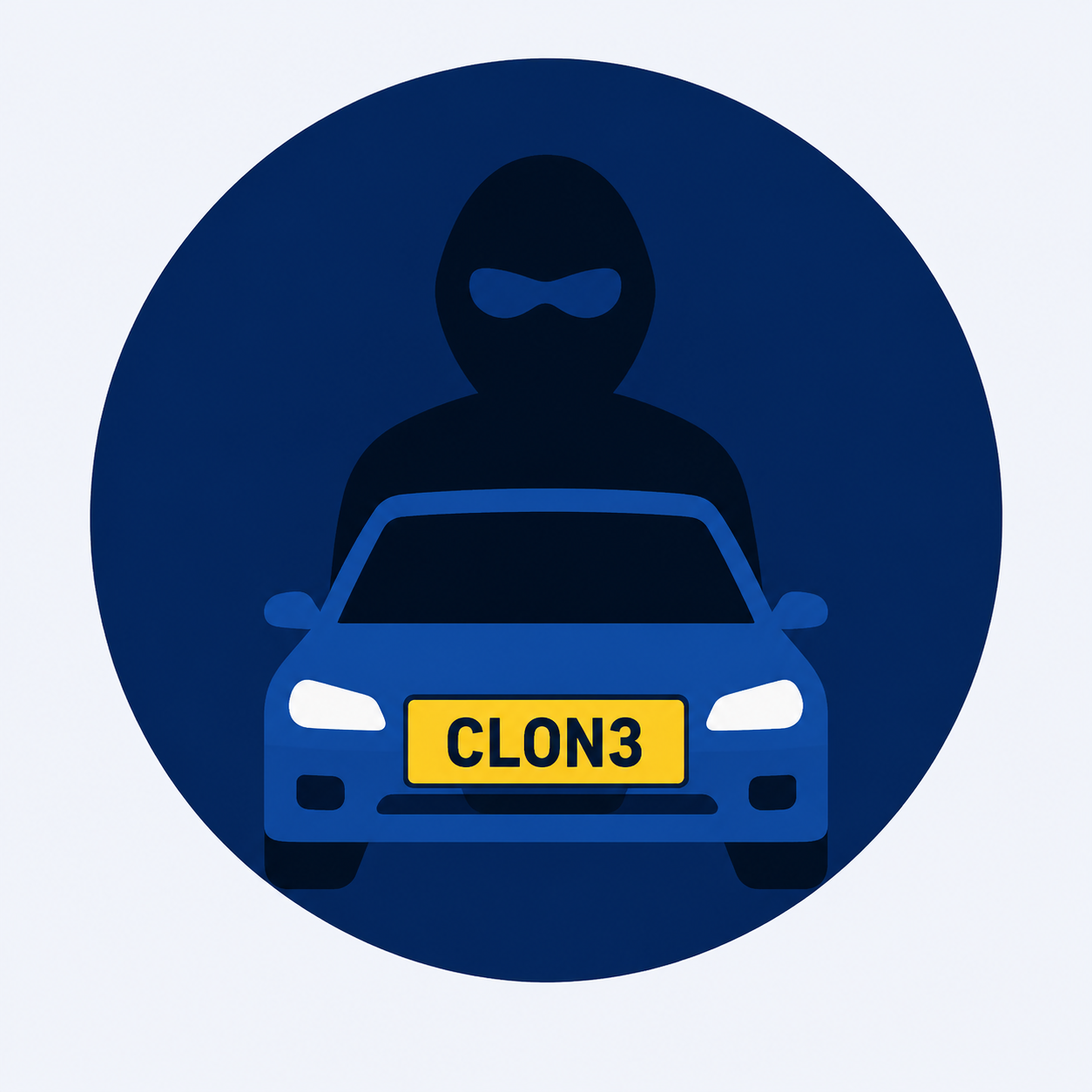
What Vehicle Identity Protection Actually Involves
When people hear the term vehicle identity protection, they might imagine some kind of digital tracker or a special coating on the plates. In reality, the most effective systems work through verification and alerting. The idea is simple: when your registration is checked - by a police officer, a parking attendant, or an ANPR camera - the system flags any discrepancy or confirms that the vehicle matches its official record. If a cloned set of plates is detected, you receive an alert straight away, giving you the chance to act before the penalties pile up.
This approach relies on a network of data sources and real-time checks. It is not about adding a physical lock to your plates. It is about creating a digital footprint that makes cloning harder to get away with. For the driver, it means peace of mind and a clear line of evidence if something does go wrong. The concept of vehicle identity protection Protect-A-Plate is built around this idea: giving the legitimate owner a way to prove their plate is the real one, and making the cloned version stand out.
Why You Cannot Rely on the System Alone
Some drivers assume that the DVLA or the police will automatically sort out any cloning issues. In reality, the burden of proof falls heavily on the victim. The authorities deal with thousands of cases and have limited resources. If you receive a penalty charge notice for a bus lane you never drove through, it is up to you to challenge it with evidence. The system does not proactively check whether your plates have been cloned. That is where taking your own precautions becomes essential.
There are a few simple steps every driver can take. Check your vehicle's registration details online regularly to spot any unexpected changes. Keep a record of your mileage and your journeys. If you receive a penalty notice for a time and place where your car was not, do not just pay it - investigate. But these manual checks only go so far. A dedicated service that monitors your plate's status and alerts you to suspicious activity fills a gap that the official system leaves open.
Common Misconceptions About Cloning
One of the biggest myths is that cloning only happens to expensive or rare cars. In truth, criminals clone whatever vehicle they can get away with. Common family saloons, vans, and even older models are all fair game. The key factor is not the value of the car but how easily it blends in. A cloned Ford Transit can drive around for months without raising suspicion because there are thousands of identical vehicles on the road.

Another misconception is that having personalised or private plates makes you immune. It does not. If anything, it can make you a more appealing target because those plates are harder to replace legitimately and the criminal can use them for longer before the owner notices. Vehicle identity protection is relevant to every driver, regardless of the type of plate they have.
Practical Steps to Strengthen Your Position
Beyond signing up for a monitoring service, there are practical habits that help. Always keep your vehicle registration document (the V5C) in a safe place and never leave it in the car. If you sell your vehicle, make sure you complete the transfer correctly with the DVLA. Criminals sometimes use old registration details from vehicles that have been sold or scrapped, so keeping your records clean reduces the risk.
It is also worth knowing what to do if you suspect cloning. Contact the police on 101 and report it. Then inform the DVLA and any relevant enforcement agencies. Gather evidence of your own movements - receipts, credit card statements, or location data from your phone - to show your car was elsewhere. The faster you act, the easier it is to stop the problem from growing. A service that offers vehicle identity protection Protect-A-Plate can provide that early warning, which is often the difference between a manageable issue and a full-blown nightmare.
The Human Side of Identity Theft on the Road
It is easy to focus on the bureaucratic side of cloning - the fines, the paperwork, the appeals. But there is a real human cost. Drivers have reported being pulled over by the police, accused of offences they did not commit, and having their cars impounded. Others have spent months fighting wrongful penalty charge notices, only to have their credit rating affected in the meantime. The stress and anxiety that come from being blamed for someone else's actions can be significant. Vehicle identity protection is as much about peace of mind as it is about practical security.
When you consider how much of modern life relies on your vehicle - commuting, school runs, business travel, visiting family - the idea of that vehicle's identity being stolen feels personal. It is not just a car that is cloned; it is your mobility, your reputation, and your time. That is why taking proactive steps makes sense, even if you have never had a problem before.

Keeping Ahead of the Criminals
Cloning techniques evolve, but the fundamentals stay the same. Criminals rely on anonymity and on the victim not noticing until it is too late. Any system that makes it harder for them to stay anonymous is a deterrent. Real-time alerts, verification checks, and a network that connects enforcement agencies with accurate vehicle data all work together to close the window of opportunity. For the driver, the investment is minimal compared to the cost of sorting out a cloned identity after the fact.
There is no single magic solution, but a layered approach works best. Combine good record-keeping, regular checks, and a service that monitors your plates. That combination makes you a much harder target. And if you ever do need to prove your innocence, the evidence will be on your side from the start.
 Twitter
 Facebook
 Instagram